
Today I am being highlighted on Bizz Buzz. This is a very special honor, and I am humbled to be featured on such a prestigious website. Here is the article. Once again, thank you so much for being part of my writing journey!

The Enduring Narrative of the American Civil War: Historical Fiction Through a Southern Lens.
An in-depth look at the Renegade Series and how award-winning author J.D.R. Hawkins brings authenticity, moral complexity, and historical depth to Civil War fiction.
The American historical fiction literature is greatly enriched with the Civil War stories, which remain to be interesting and challenging the reader with their complicated moral, political and personal dilemmas. One of the most popular subgenres is the exploration of the conflict by the experiences of the front line and the home front. These novels tend to be crucial channels through which the human cost and the divergent ideologies that determined the most defining internal conflict in the nation can be comprehended. One of these niches in this genre is depicting the war as seen by the Confederate side.
This perspective, which female writers discuss less, has its own difficulties in historical study, characterization and narration, and requires a high level of sensitivity and attention to detail, in order to be able to capture the socio-political atmosphere of the middle of the 19th century.
The ability to combine an enormous amount of historical detail with the ability to tell the story through characters is the hallmark of the authors who are able to bring this turbulent period to life and provide the contemporary readers with a detailed and vivid insight into the crucial moment of American history.
The literary works that are critically and commercially successful in this genre are those that have been acclaimed by historical societies and literary institutions due to their observance of authenticity and other awards that are founded on their richness and breadth.
J.D.R. Hawkins: Chronicling the Confederate Experience in the Renegade Series
J.D.R. Hawkins was born on June 9, 1959 in the United States of America and she is a renowned American author that has well established herself in historical fiction, especially in her famous series known as the Renegade Series. It is the epic effort of novels devoted to the description of the cruel and even painful life of a Confederate soldier and his family during the Civil War and the first post-war period in the USA.
Hawkins is a unique female writer in the literary world because few other female writers have dealt with the narrative of the Civil War specifically with the Confederate or Southern perspective. She is devoted to this view, and her writing is marked by an in-depth study of history that gives her character plots a certain air of deep authenticity.
The story of Hawkins in the world of writing started in her early years when her parents supported her artistic interests and provided her with a solid education. Hawkins was born in Sioux City, Iowa and studied her academic interests by receiving a Bachelor of Science degree in journalism at the Iowa State University. This journalistic rigor was probably the cause of the attention to detail and careful research that would characterize her subsequent historical fiction. Hawkins began her career in writing short stories, articles, and even children books before she finally settled on her main subject, the complicated period of the Civil War, by writing her first full-length novels.
The literary heritage of the author is centered on the so-called Renegade Series, which is an impressive, panoramic depiction of the lives of people involved in the war. The story is the journey of a Confederate cavalryman and his family over the years of fierce battles and social turmoil, their emotional and physical survival.
Deep Dive into the Renegade Series
The show consists of four major seasons, each of which has received considerable critical and commercial recognition:
A Beautiful Glittering Lie: A Novel of the Civil War
This novel was written in 2021 and is a good start to the series. Early critical acclaim saw Hawkins win the 2013 John Esten Cooke Fiction Award and the 2012 B.R.A.G. Medallion, as well as its historical fact and its effective story. Even the very name of the novel suggests the grimness behind the romance or ideology of war, which predetermines the cold-blooded look at the war in the series.
A Beckoning Hellfire: A Novel of the Civil War
The second sequel, also released in 2021, picks up the story, delving into the emotional and physical price paid by the war. The novel also solidified Hawkins as an author of good historical fiction, as it is considered to be an award-winning sequel and even won the 2022 B.R.A.G. Medallion. The title brings out the merciless and devastating Civil War battles that the characters are involved in.
A Rebel Among Us: A Novel of the Civil War
Published in 2021, this book continues to be of high standards as its predecessors. It won the 2017 John Esten Cooke Fiction Award and also won the 2022 B.R.A.G. Medallion, which underscores the uniformity of literary quality of the series. The story is centered on the mounting internal and external stress of people who were loyal to the confederate cause.
Double-Edged Sword: A Novel of Reconstruction
The latest volume in the series, which was published in 2022, continues the story past the end of the war to the confusing and turbulent era of Reconstruction. Entering this critical period of the postwar, Hawkins gives a full account of the long-term effects of the war on both the soldier and his family. The novel has been well-known, having won the 2022 B.R.A.G. Medallion and the 2023 John Esten Cooke Fiction Award, proving the quality and longevity of the work of the author.
Broader Literary Contributions and Acclaim
Hawkins has also made a contribution to the historical record in her nonfiction book, Horses in Gray: Famous Confederate Warhorses. This is a specialized writing that examines the important and in most cases unnoticed contributions made by horses in the Civil War that describe the importance of horses in war and military activities. She has also written a short story, A Becharmed Callie Christmas, which is a festive, character-oriented interlude relating to the larger world of the Renegade Series.
Hawkins is as commercially successful as she is critically acclaimed. She has been acclaimed as a bestseller by the significant sites, such as Amazon, USA Today, and the Wall Street Journal, and this fact demonstrates her wide popularity among a wide audience. She has managed to strike the right balance between historical precision and her narrative style, which has been well-received by critics and the audience.
Professional Affiliations and Personal Background
Hawkins has a close affiliation with the historical and literary circles. She has also been a part of different elite societies like the United Daughters of the Confederacy which can be attributed to be her dedication to the history and heritage of the Southern experience. Her literary associations include The International Women Writing Guild, Rocky Mountain Fiction Writers, and Pikes Peak Writers, another thing that proves her interest in the art and support of other writers. She also belongs to the Historical Novel Society and this only serves to solidify her credentials in the genre.
Hawkins also lives a rich life outside of writing on a personal level. She has a family of her own, including two sons whom she has brought up together with her husband in the course of their 40 years of marriage and has a daughter-in-law and two grandsons. Her artistic talents are not limited to literature since she is also an artist and a singer/songwriter whose artistic commitment has been evident throughout her life. The work of J.D.R. Hawkins and especially the extensively researched and much-acclaimed Renegade Series is a major contribution to the genre of historical fiction, that is, telling the complex and humanized story of the American Civil War and the Reconstruction era as it happened through the lens of a Confederate family.





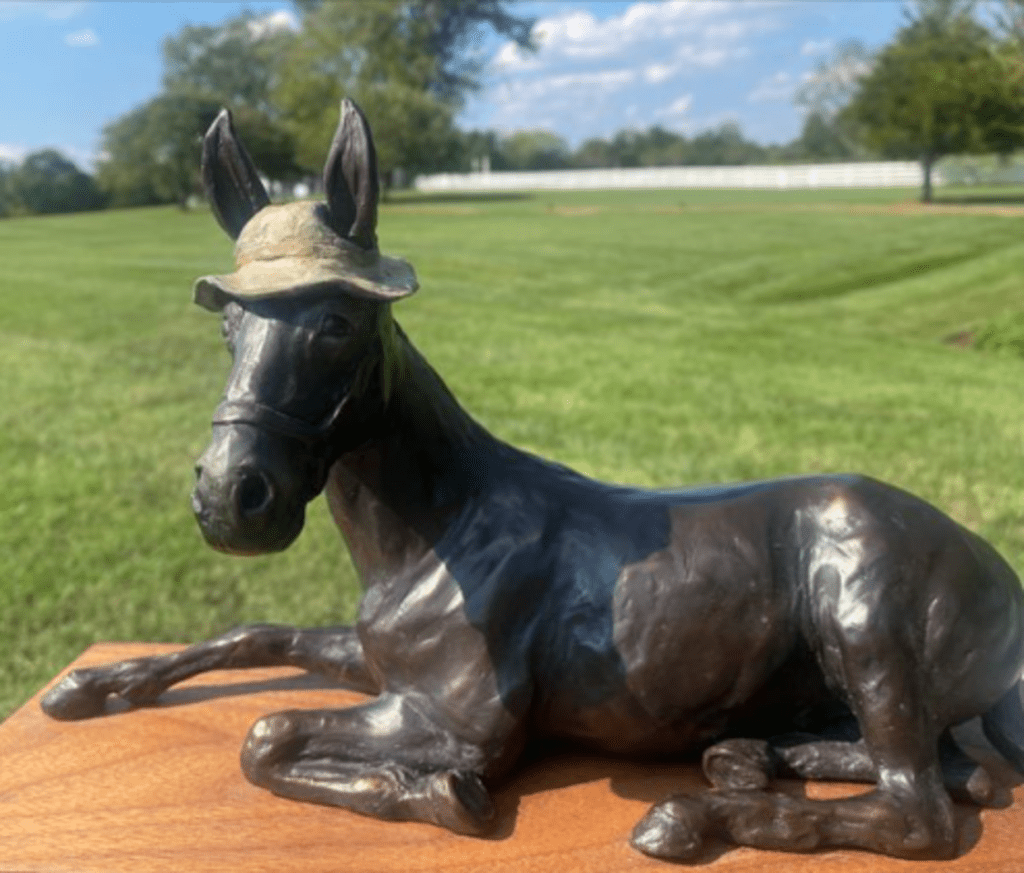


 J.D.R. Hawkins