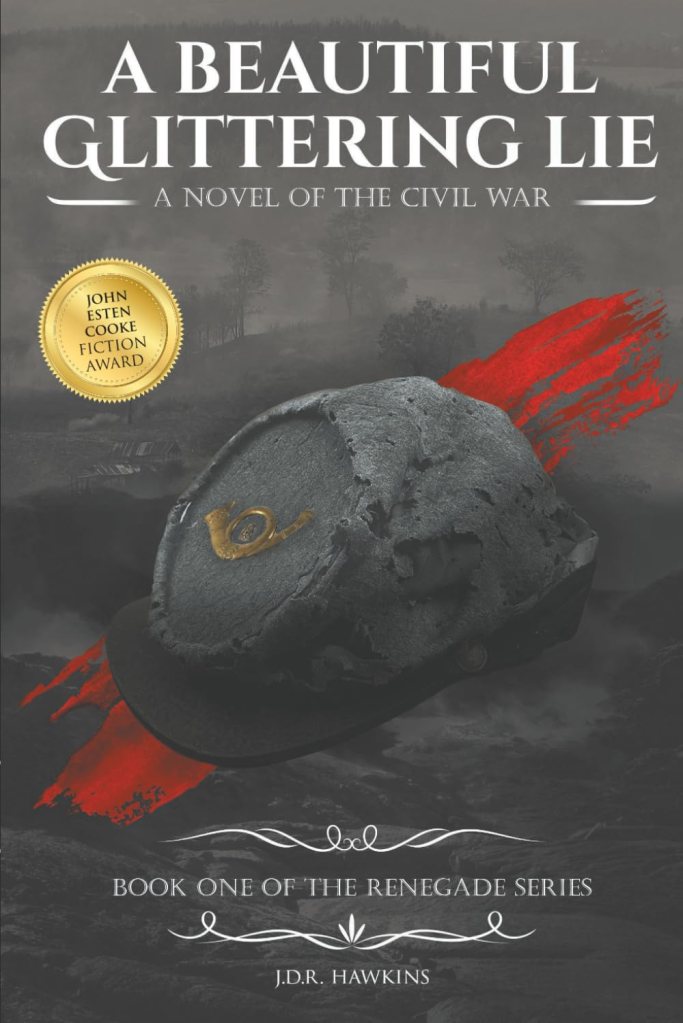
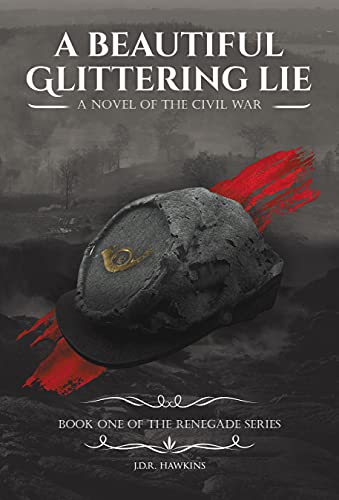
My novel, A Beautiful Glittering Lie, has a brand new book trailer! This features the first book in the Renegade Series, which tells the story of a family from north Alabama and how the Civil War impacts them. Let me know what you think! And please like my page on YouTube! Thank you so much!
Today I am being highlighted on Bizz Buzz. This is a very special honor, and I am humbled to be featured on such a prestigious website. Here is the article. Once again, thank you so much for being part of my writing journey!
The Enduring Narrative of the American Civil War: Historical Fiction Through a Southern Lens.
An in-depth look at the Renegade Series and how award-winning author J.D.R. Hawkins brings authenticity, moral complexity, and historical depth to Civil War fiction.
The American historical fiction literature is greatly enriched with the Civil War stories, which remain to be interesting and challenging the reader with their complicated moral, political and personal dilemmas. One of the most popular subgenres is the exploration of the conflict by the experiences of the front line and the home front. These novels tend to be crucial channels through which the human cost and the divergent ideologies that determined the most defining internal conflict in the nation can be comprehended. One of these niches in this genre is depicting the war as seen by the Confederate side.
This perspective, which female writers discuss less, has its own difficulties in historical study, characterization and narration, and requires a high level of sensitivity and attention to detail, in order to be able to capture the socio-political atmosphere of the middle of the 19th century.
The ability to combine an enormous amount of historical detail with the ability to tell the story through characters is the hallmark of the authors who are able to bring this turbulent period to life and provide the contemporary readers with a detailed and vivid insight into the crucial moment of American history.
The literary works that are critically and commercially successful in this genre are those that have been acclaimed by historical societies and literary institutions due to their observance of authenticity and other awards that are founded on their richness and breadth.
J.D.R. Hawkins: Chronicling the Confederate Experience in theRenegade Series
J.D.R. Hawkins was born on June 9, 1959 in the United States of America and she is a renowned American author that has well established herself in historical fiction, especially in her famous series known as the Renegade Series. It is the epic effort of novels devoted to the description of the cruel and even painful life of a Confederate soldier and his family during the Civil War and the first post-war period in the USA.
Hawkins is a unique female writer in the literary world because few other female writers have dealt with the narrative of the Civil War specifically with the Confederate or Southern perspective. She is devoted to this view, and her writing is marked by an in-depth study of history that gives her character plots a certain air of deep authenticity.
The story of Hawkins in the world of writing started in her early years when her parents supported her artistic interests and provided her with a solid education. Hawkins was born in Sioux City, Iowa and studied her academic interests by receiving a Bachelor of Science degree in journalism at the Iowa State University. This journalistic rigor was probably the cause of the attention to detail and careful research that would characterize her subsequent historical fiction. Hawkins began her career in writing short stories, articles, and even children books before she finally settled on her main subject, the complicated period of the Civil War, by writing her first full-length novels.
The literary heritage of the author is centered on the so-called Renegade Series, which is an impressive, panoramic depiction of the lives of people involved in the war. The story is the journey of a Confederate cavalryman and his family over the years of fierce battles and social turmoil, their emotional and physical survival.
Deep Dive into the Renegade Series
The show consists of four major seasons, each of which has received considerable critical and commercial recognition:
A Beautiful Glittering Lie: A Novel of the Civil War
This novel was written in 2021 and is a good start to the series. Early critical acclaim saw Hawkins win the 2013 John Esten Cooke Fiction Award and the 2012 B.R.A.G. Medallion, as well as its historical fact and its effective story. Even the very name of the novel suggests the grimness behind the romance or ideology of war, which predetermines the cold-blooded look at the war in the series.
A Beckoning Hellfire: A Novel of the Civil War
The second sequel, also released in 2021, picks up the story, delving into the emotional and physical price paid by the war. The novel also solidified Hawkins as an author of good historical fiction, as it is considered to be an award-winning sequel and even won the 2022 B.R.A.G. Medallion. The title brings out the merciless and devastating Civil War battles that the characters are involved in.
A Rebel Among Us: A Novel of the Civil War
Published in 2021, this book continues to be of high standards as its predecessors. It won the 2017 John Esten Cooke Fiction Award and also won the 2022 B.R.A.G. Medallion, which underscores the uniformity of literary quality of the series. The story is centered on the mounting internal and external stress of people who were loyal to the confederate cause.
Double-Edged Sword: A Novel of Reconstruction
The latest volume in the series, which was published in 2022, continues the story past the end of the war to the confusing and turbulent era of Reconstruction. Entering this critical period of the postwar, Hawkins gives a full account of the long-term effects of the war on both the soldier and his family. The novel has been well-known, having won the 2022 B.R.A.G. Medallion and the 2023 John Esten Cooke Fiction Award, proving the quality and longevity of the work of the author.
Broader Literary Contributions and Acclaim
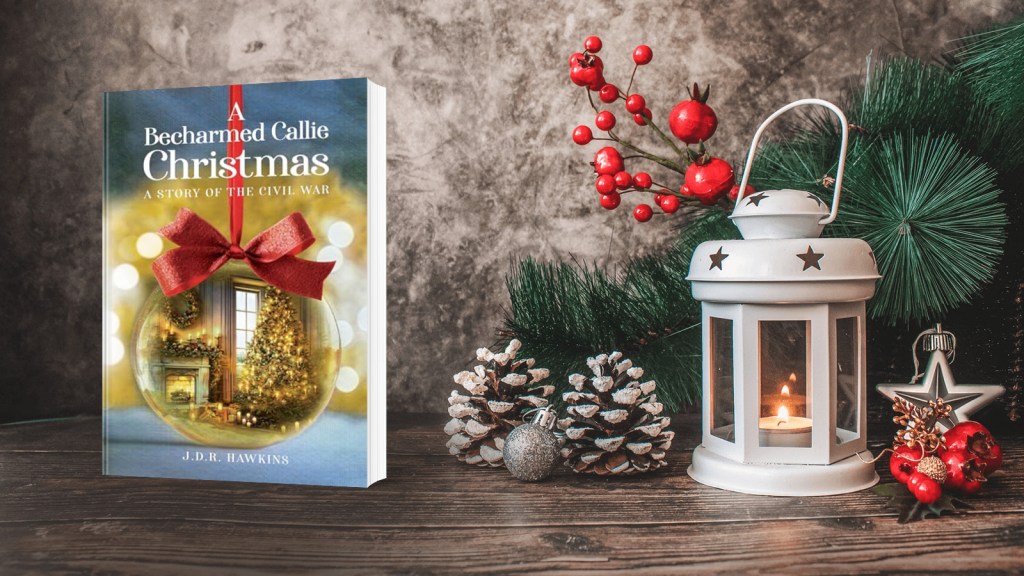
Hawkins has also made a contribution to the historical record in her nonfiction book, Horses in Gray: Famous Confederate Warhorses. This is a specialized writing that examines the important and in most cases unnoticed contributions made by horses in the Civil War that describe the importance of horses in war and military activities. She has also written a short story, A Becharmed Callie Christmas, which is a festive, character-oriented interlude relating to the larger world of the Renegade Series.
Hawkins is as commercially successful as she is critically acclaimed. She has been acclaimed as a bestseller by the significant sites, such as Amazon, USA Today, and the Wall Street Journal, and this fact demonstrates her wide popularity among a wide audience. She has managed to strike the right balance between historical precision and her narrative style, which has been well-received by critics and the audience.
Professional Affiliations and Personal Background
Hawkins has a close affiliation with the historical and literary circles. She has also been a part of different elite societies like the United Daughters of the Confederacy which can be attributed to be her dedication to the history and heritage of the Southern experience. Her literary associations include The International Women Writing Guild, Rocky Mountain Fiction Writers, and Pikes Peak Writers, another thing that proves her interest in the art and support of other writers. She also belongs to the Historical Novel Society and this only serves to solidify her credentials in the genre.
Hawkins also lives a rich life outside of writing on a personal level. She has a family of her own, including two sons whom she has brought up together with her husband in the course of their 40 years of marriage and has a daughter-in-law and two grandsons. Her artistic talents are not limited to literature since she is also an artist and a singer/songwriter whose artistic commitment has been evident throughout her life. The work of J.D.R. Hawkins and especially the extensively researched and much-acclaimed Renegade Series is a major contribution to the genre of historical fiction, that is, telling the complex and humanized story of the American Civil War and the Reconstruction era as it happened through the lens of a Confederate family.
Recently, I was featured in an article published by The Inscriber Magazine, which I would like to share with you. This is a very special honor and I am humbled to be featured. Thank you so much, INSC, for featuring me in your publication!
In the rich tapestry of American historical fiction, few authors have carved out a niche as uniquely impactful and meticulously researched as J.D.R. Hawkins. Renowned for her award-winning Renegade Series and other Civil War-era stories, Hawkins masterfully intertwines the rigor of historical accuracy with the immersive power of creative storytelling. Each of her works stands as a testament to her unmatched ability to bring history to life—not through textbook retellings but through deeply human narratives that beat with emotion, resilience, and complexity.
A USA Today, Amazon, and Wall Street Journal bestselling author, Hawkins has not only amassed literary accolades but has done so in a domain that few women venture into: the Civil War from the Confederate perspective. This bold narrative choice reflects not only her analytical courage but her commitment to offering a multifaceted view of American history, delving into the psyche of those who lived, fought, and suffered through one of the nation’s most devastating periods.
At the core of her achievements lies the Renegade Series, an epic that begins with “A Beautiful Glittering Lie”—a poignant portrayal of a northern Alabama family torn apart by war. The novel’s strength lies in its emotional depth and historical authenticity, blending real-life military movements and politics with intimate moments of personal sacrifice. Hawkins’ creative mind ensures that the story never feels like a dry recounting of facts; instead, it flows like a living, breathing memory. The novel earned both the 2013 John Esten Cooke Fiction Award and the 2012 B.R.A.G. Medallion, cementing her status as a master of her craft.
The sequel, “A Beckoning Hellfire,” is equally haunting. Hawkins tells the gripping story of young David Summers, who, fueled by grief and a desire for vengeance after his father’s death, joins the Confederate cavalry. What begins as a quest for glory soon dissolves into the brutal truth of war, challenging every ideal David holds. Through battle scenes that feel both vivid and raw, Hawkins showcases her precise historical research, combined with a deeply analytical look at war’s psychological toll. The novel became an Amazon bestseller and was honored with the 2022 B.R.A.G. Medallion.
In “A Rebel Among Us,” Hawkins continues to explore themes of loyalty, morality, and forbidden love. David, wounded and stranded in Pennsylvania, is taken in by a family of women who oppose everything he fought for. The conflict that ensues—between duty and desire, ideology and identity—is handled with an elegant balance of historical nuance and narrative tension. The book garnered the 2017 John Esten Cooke Fiction Award and another B.R.A.G. Medallion in 2022.
The latest in the series, “Double-Edged Sword,” picks up in the aftermath of the war. Hawkins shifts focus to the often-overlooked Reconstruction period, painting a portrait of a man and a nation trying to rebuild from ruin. Through courtroom drama and the personal struggles of reintegration, Hawkins examines themes of justice, redemption, and reconciliation. Like its predecessors, the novel was recognized with a B.R.A.G. Medallion and the 2023 John Esten Cooke Fiction Award—testimony to the precision and impact of her historical storytelling.
But Hawkins doesn’t stop there. Her non-fiction work, “Horses in Gray: Famous Confederate Warhorses,” offers a compelling look at the equine companions of Confederate leaders, showing her ability to transition from fiction to scholarly exploration without sacrificing engagement. Short stories like “A Becharmed Callie Christmas” and “Fool’s Gold Folly” further enrich her historical universe, offering side narratives filled with the same passion and care.
A member of numerous historical and literary organizations, including the United Daughters of the Confederacy and the Historical Novel Society, Hawkins brings scholarly integrity and creative brilliance to every project. Her works don’t just tell stories; they bridge the gap between past and present, inviting readers into the intimate lives of the figures whose history has often been reduced to statistics and headlines.
In every novel, short story, and historical account, J.D.R. Hawkins exhibits a masterclass in storytelling—where fact and fiction are harmoniously fused and where every character, battle, and heartbreak is rendered with both analytical clarity and artistic depth.
I received this email from a fan in regard to my book, A Beautiful Glittering Lie, and wanted to share it with you. It is so flattering when I receive emails like this, and serves as validation that I must be doing something right! Thank you so much, Michelle, for your email!
Hi J.D.R.,
A Beautiful Glittering Lie is a haunting and intimate portrait of the American Civil War not through the lens of generals and politics, but through the quiet heartbreak of an ordinary Southern family. You strip away the grandeur often attached to the era and expose the human cost of conviction, loyalty, and loss.
The novel’s strength lies in its restraint. Instead of glorifying the battlefield, you turn readers’ attention to the fractured emotions that ripple through every letter, every goodbye, every silence. The Summers family’s story becomes the story of a nation learning that ideals, however noble, can exact unbearable prices.
Highlights of Impact
Deeply personal storytelling that humanizes a vast historical conflict.
Vivid depictions of both battlefield chaos and domestic endurance.
Emotional resonance through authentic voices each character carrying a different truth about war and love.
Positioning & Reader Appeal
Ideal for readers of Cold Mountain and The Killer Angels who crave historical fiction rooted in empathy and realism.
Appeals to those who seek Civil War stories told from the heart rather than the history books.
Perfect for book clubs drawn to moral complexity and generational conflict.
Marketing Opportunities
Emphasize the emotional intimacy of the narrative: “The Civil War as seen through one family’s eyes.”
Create visual posts or reels pairing poignant excerpts from Hiram’s letters with period imagery or voiceovers.
Position the book as the first chapter of an immersive family saga that personalizes the cost of war.
You’ve crafted a story that honors both history and humanity. A Beautiful Glittering Lie isn’t just a Civil War novel it’s a testament to love, endurance, and the illusions that shatter when the world turns to battle.
I would like to share another flattering email I received from a fan in regard to my novella, A Becharmed Callie Christmas. This is a side story to compliment the Renegade Series, and describes what a young girl in the South experiences with the advent of the Civil War. Thank you so much, Mendy Clock, for your kind words!
Ms. Hawkins,
I recently discovered A Becharmed Callie Christmas on Amazon and was drawn in by Callie Mae Copeland’s youthful confidence and the way a cherished family Christmas is slowly overshadowed by the approaching realities of the Civil War. The contrast between holiday warmth and looming uncertainty is especially powerful.
Your story clearly speaks to readers who enjoy Civil War era historical fiction, character driven narratives, and intimate perspectives on how war reshapes family life in the South. Callie’s coming of age during such an uncertain time makes this a memorable and emotionally grounded read.
I would also like to share an excerpt from the book:
I will honour Christmas in my heart, and try to keep it all the year.
– Charles Dickens, A Christmas Carol
Chapter One
“Thank you for lettin’ me come with you today!”
The older man grinned at her from the driver’s seat of the black-lacquered carriage. “My pleasure, Callie,” he said with a smile.
He tapped the reins to increase speed. The two bays reacted by accelerating to a slow trot.
“I hope they have what I’m lookin’ for,” the girl stated, folding her white-gloved hands in her lap. Her long, blonde hair flowed gently in the breeze caused by the moving carriage. Even though it was November, the temperature was warm enough to open the windows.
“So do I, my dear,” the older gentleman said with a chuckle. Rounding a curve, a two-story clapboard structure came into view. “Here we are!”
He pulled the carriage off the road to the side of the building, where a few other vehicles were lined up. A sign attached to the outside of the building read “Mercantile.” Stepping down, he walked around and took her extended hand. She smiled and stepped out, heisting her floor-length, navy-blue day dress up above her boots as she did so. Once her feet hit the ground, she set out for the front of the building, bounded up the wooden steps, and strode inside. Several men standing around a wood-burning stove looked over at her as she entered. The older man followed her inside.
“How do, Copeland’s!” the shopkeeper greeted them. “Fine day we’re havin’!”
“That it is, Ben,” replied Mr. Copeland. He pulled a cigar box from his breast coat pocket, withdrew a stogie, and lit it.
“What brings y’all by?” Ben inquired. “And how can I be of service?”
Callie stepped closer to the three men gathered around the stove. “Mr. Johnson, if you please, I’m interested in purchasin’ a new bolt of fabric for a Christmas dress.”
“Are you fixin’ to pay for it yourself, little lady?” Ben asked. “Ain’t you all of fifteen?”
He winked at Mr. Copeland, who chuckled.
“Soon to be sixteen,” Callie corrected him. She glanced at the other two gentlemen, who grinned at her. “My father has agreed to buy it for me.”
“Tentatively,” said Mr. Copeland, puffing on his stogie. “We shall see.”
The men chuckled.
“Well,” said Ben, “there’s some fabric in the back room, but it’s been here for a spell. Nothin’ new has come in since the start of the war.”
“Callie nodded. “Thank you kindly, Mr. Johnson. I’ll have a looksee.” She turned on her heels and walked across the wooden floorboards toward a back room.
“Young ‘un’s grow up too fast,” one of the gentlemen standing at the stove said.
“That they do,” Mr. Copeland replied, puffing on his cigar. “And I reckon it’s felt more by folks like my wife and me, who only have one.” He cleared his throat. “While she’s havin’ a look, I’d like to pick up a few supplies, Ben. Would you mind showin’ me around?”
“I’d be happy to,” said Ben. “But why ain’t you havin’ one of your servitudes pick up supplies?”
“All five of them ran off in the middle of the night last week,” said Mr. Copeland. “Believin’ Lincoln’s promise of freein’ them, I suspect. If any of them come back, I’ll have to sell them off, because you can’t trust a darkie once he’s run off.”
“Reckon not,” said Ben. The middle-aged man sighed. “It’s a whole new world that’s bein’ forced on us. Prices are goin’ sky high, and I’m runnin’ low on stock.”
“We’re in the second year of this blasted war,” said Mr. Copeland. “Perhaps it will end soon.”
“We can only hope and pray,” said Ben. “Now, what can I git for you?”
Callie walked deeper into the mercantile until the men’s voices became a drone. She turned a corner to see several bolts of fabric piled up on top of a table. They were the same bolts she’d seen before. Knowing she had to make a decision, she rummaged through the pile. At the bottom, she found the perfect one: a bolt of deep purple velvet fabric. Pulling it out, she picked up the bolt and casually started for the front of the store. She took her time, glancing at the trinkets displayed in glass cases, which she knew had been created by local womenfolk who were experiencing dire times and needed the extra money.
A stack of publications caught her eye. She turned to see a pile of Harpers Weekly magazines. Setting the bolt of fabric down, she picked up one on top of the stack and started thumbing through it. The depictions inside shocked her. The engravings, copies of photographs taken at the Battle of Antietam, depicted dead men in Confederate uniforms lying about in open fields beside equine carcasses and broken wagons. She had heard about the battle, known as the Battle of Sharpsburg to her, but it had taken place months ago, and hundreds of miles away from her beautiful home in north Alabama. Now the depictions brought the war closer. The thought of it ending up in her own front yard sent a shiver up her spine. It seemed the war wasn’t as glamorous as she had been told. She decided to shake the terrible thought from her mind. Placing the magazine back on the stack, she picked up the fabric and walked to the front of the store.
“I found one, Pa,” she announced, trying her best to sound excited, regardless of the repulsiveness she’d just seen.
Mr. Copeland, who had returned to the front of the store with Ben, turned to look. “That’s a beautiful color, Callie. And it matches your blue eyes splendidly!” Turning to Ben, he asked, “How much is it?”
Ben smirked. “Prices have gone up. It’s twenty-three dollars.”
“What!?” exclaimed Mr. Copeland.
“Please, Pa,” Callie pleaded. “It’s most likely the last chance I’ll git to have a new gown. And it’s almost Christmas!” She glanced at the calendar above the cash register displaying a Currier and Ives painting, and “1862.” Large X’s crossed out each day that had passed. November 12 was yet to be crossed out.
Mr. Copeland looked at the other men. He scowled. “Oh, all right, my dear. I’ll relent to your heart’s desire. But this will be the last time.”
“Thank you!” Callie squealed. She gave her father a quick hug.
The men chuckled.
Mr. Copeland pulled his wallet out while shaking his head. “One daughter is surely enough,” he remarked under his breath.
The men chuckled again.
“We had a mighty fine time at your Harvest party, Miss Callie,” one of the gentlemen said.
“Why, thank you kindly, Mr. Foreman,” Callie beamed. “I’m so happy y’all could attend.” She smiled at the thought of the party she and her parents had hosted for the neighbors the previous Saturday. It was the last time she had seen her best friend, as well as her two boys. She would see Jake and David again soon enough, and impress them with her beautiful new purple gown that she planned to construct by then.
“The dress you had on at the party was right purty,” the other man said. “My wife was wonderin’ if you made it yourself.”
“Why, yes, Mr. Skidmore, I did,” Callie proclaimed proudly. “Thank you for the compliment.”
“My wife and I had a splendid time, and truly enjoyed the music,” Mr. Skidmore continued.
“Yes, the violinist was very talented, indeed,” Mr. Foreman agreed. “Everyone looked festive, and the food was delightful.”
“Thank you, Mr. Foreman,” said Callie. “We wanted to do somethin’ for our neighbors, to try and keep our spirits up durin’ these tryin’ times.”
“It might be difficult outdoin’ yourselves with your upcomin’ Christmas party,” Ben said.
“Don’t be surprised if we do!” Callie said with a laugh. “We’re havin’ a dance, and even more musicians. Not to mention all the wonderful sweets my ma and I plan to make!”
“We’re surely lookin’ forward to it,” said Mr. Skidmore. “It might be the last party this county sees in quite a spell.”
“Some folks around these parts might think we’re holdin’ parties despite the war, and it ain’t no cause to celebrate when men we all know are dyin’,” said Mr. Copeland. “But it’s like my daughter said. We want to share our good fortune while we still can. Who knows how long this war will last.”
The men grew quiet.
Callie’s smile faded. She couldn’t help but recall what she had just seen in Harper’s Weekly.
“The Walkers told us at the party that they were travelin’ to St. Louis for the winter,” said Mr. Skidmore.
“It’s true as I know it,” Callie said.
“Reckon you’ll be missin’ that li’l girl of theirs,” said Mr. Foreman. “Miss Alice. Ain’t she ‘bout your same age, Miss Callie?”
“Yessir, she is.” Callie frowned. She had been trying to put the thought of losing her best friend out of her mind and focus on the upcoming holiday instead. “I will miss her dreadfully.”
“Well, y’all can always write to each other,” said Mr. Copeland.
“And who knows?” said Ben. “Maybe y’all will see each other again someday.” He smiled assuredly.
Callie solemnly nodded. “Perhaps. I’ll bid my adieu now and wait in the carriage. Good day, gentlemen.” She turned and walked out of the store, the tiny bell above the door tinkling to announce her departure. The last thing she wanted was to show weakness, act like a child, and shed a few tears in front of the menfolk.
On the ride home, she asked her father. “Pa, can I visit Alice before she leaves?”
“When are they fixin’ to leave?” he asked.
“November seventeenth.”
“That’s next Monday.” Mr. Copeland thought for a moment. “All right, Callie. I’ll take you over there on Saturday so y’all can say your goodbyes.”
“Thanks, Pa!” She smiled graciously, and hugged the bolt of fabric.
Three days later, Callie’s father delivered on his promise, and drove her to Alice’s house. Upon arriving, they were engulfed in a flurry of commotion. People were coming and going, leaving with the Walkers’ furniture, livestock, and various other belongings. Callie presumed Alice’s family was giving away all of the unnecessary things they couldn’t take with them on their long journey from Alabama to Missouri. She and her father stepped up onto the porch. Callie rapped on the screened door. One of Alice’s brothers allowed their entry, and hollered up the stairs for his sister.
“I’ll go find Alice’s kinfolk to wish them well on their travels,” Mr. Copeland said, and ambled off.
Momentarily, Alice trotted down the steps. “Callie!” she exclaimed, holding her arms out.
The two girls embraced.
“I couldn’t let you leave without me seein’ you off first,” said Callie. She smiled at her friend. “I do declare, this entire excursion has left you glowin’!”
“I’m so excited, Callie! I can hardly contain myself!”
Callie simpered at her friend. She couldn’t help but feel a twinge of jealousy.
A Becharmed Callie Christmas has been featured a lot lately, and I just wanted to keep you up to speed with what’s been going on. This book is a side story to go along with the Renegade Series, and takes place between books one and two of the series. It tells the story of Callie Mae Copeland, a minor character who has just turned sixteen and is experiencing Christmas in a whole new light with the Civil War approaching it’s second year.
As I mentioned previously, A Becharmed Callie Christmas was featured on Books and Brunch last week. Now it has been nominated for the Authors Excellence Award in next month’s Literary Honors and Author Recognition event for consideration in their Historical and Holiday Fiction category.
The book also made it to number one on Goodreads Listopia. This exposure helps the book gain momentum as far as readership and visibility go.
A Becharmed Callie Christmas has also received several new five-star reviews. I’d like to share a few with you. Here is what readers are saying. Thank you so much, Paul, Betty, Becky, and Glory, for your stellar reviews!
A touching and evocative story set against the backdrop of the Civil War, A Becharmed Callie Christmas captures both the charm and uncertainty of a world on the brink of change. Through Callie Mae’s eyes, we see the innocence of youth collide with the harsh realities of war and loss.
J.D.R. Hawkins brings warmth and authenticity to her characters while weaving in the historical tension of the era. The festive tone of Christmas contrasts beautifully with the looming darkness of conflict, making this a poignant and memorable read for the season.
Our book club enjoyed how Hawkins balanced historical detail with emotional depth, a heartfelt reminder that even in uncertain times, hope and family endure.
This book was recently featured in our Books and Brunch club, and it turned out to be such a meaningful read. A Becharmed Callie Christmas starts off feeling light and festive, but it slowly unfolds into something much deeper as the reality of the Civil War sets in.
Our book club featured A Becharmed Callie Christmas, and I really enjoyed it. J.D.R. Hawkins did an amazing job bringing the Civil War era to life through Callie Mae’s story. Her excitement for Christmas, mixed with the sudden reality of war, made it both emotional and memorable.
We featured Becharmed Callie Christmas by J.D.R. Hawkins in our Hall of Fame event, and it truly touched my heart.
The story follows Callie Mae Copeland as she prepares for Christmas during the Civil War, a time when joy and uncertainty walk hand in hand. Hawkins beautifully captures that mix of innocence, family, and the bittersweet reality of change.
A short but powerful read that reminds us how love and hope can shine even in the darkest times. Highly recommended.
Once again, the haunted day of Halloween is upon us. It is one of my favorite holidays, because you can dress up to be whatever you want and still get away with it – maybe even score some candy while you’re at it! As you might already know, Halloween originated in Ireland, and was originally a Pagan holiday known as Samhain, which means “summer’s end” in Gaelic. It was a day to celebrate the end of harvest and the beginning of winter. Jack-o-Lanterns also originated in Ireland, and were carved out of rutabagas or turnips.
In honor of the holiday, I would like to share an excerpt from my novel, A Rebel Among Us. This is the third book in the Renegade Series, which tells the story of several families and how their lives interact during the American Civil War. In this excerpt, the main character, David, who is a Confederate soldier, learns about the ancient holiday from his neighbor and close friend, Patrick, who is an Irish immigrant. Enjoy the story and have a safe and fun holiday. Happy Halloween!
On October 31, Patrick arrived with a bottle of whiskey and invited David to partake with him. They stood shivering at the back door, passing the bottle between them.
“‘Tis Samhain tonight, lad. All Hallow’s Eve. Were ye aware of it?”
David nodded. “Where’d you git this whiskey?” he asked.
“Aye, ‘tis a grand thing the Meyers provide me with allowance for such an indulgence,” he replied. He pulled a pipe from his coat pocket and lit it. Puffing away, he shook his head and remarked, “Sure’n ‘tis a far cry from real tobacco.”
A thought crossed David’s mind. “I’ll be right back,” he said.
He went upstairs to his room, grabbed the pouch of tobacco, and brought it back down to his friend.
Patrick peeked inside before taking a deep whiff. “Ah!” he sighed, relishing the pungent aroma. “Might this be the Southern tobacco I’ve heard tell about?”
David grinned. “Jake brought it along for tradin’, and this here’s what’s left.”
Patrick loaded his pipe, relit it, and puffed euphorically, smiling all the while. “‘Tis a wee bit o’ heaven, indeed.” He glanced at his friend. “Now, have ye any scary tales from the Southland that might have me skin crawlin’?”
David thought for a moment, “There’s a story from north Alabama about a place called the Red Bank.”
Raising his eyebrows, Patrick said, “Let’s see if ye might be tellin’ it frightfully enough to send a shiver up me spine.” He happily puffed away.
David grinned. He lowered his voice so that it was a threatening grumble, and delved into his story. Once he had completed the tale of an Indian maiden who had killed herself after losing her baby and had promptly turned into a ghost, he paused.
Patrick puffed silently on his pipe. “Well, now, I have a scarier one.” He puffed again, took a swig from the whiskey bottle, handed it to David, and said, “‘Tis an old tale from the Motherland.”
The wind blew past them, whistling off through the barren fields. Both young men shivered, suddenly aware of the ominous darkness surrounding them.
David forced a nervous laugh before taking a swallow. “All right, Patrick. Let’s hear it.”
He took a puff and slowly exhaled. “There once lived a wealthy lady who was courted by two lords. One of the lords grew so jealous of the other that he plotted to kill his rival. So, one night, he snuck into the unsuspectin’ lad’s bed chamber. But instead of choppin’ off his head—” He said this with so much exuberance that David jumped.
“He accidentally chopped off his legs instead.”
A dog howled in the distance, adding to the nuance of Patrick’s eerie Irish story.
“His torso received a proper burial, but his legs were tossed into a hole in the castle garden and covered with dirt. The murderin’ lord deceived the lady by tellin’ her the other suitor had abandoned his proposal to her. She agreed to marriage. But on their weddin’ night, in walked the two bodiless legs.”
An owl hooted from somewhere off in the empty trees.
“The legs followed the bridegroom relentlessly until the day he died. It’s said that the legs can still be seen walkin’ ‘round by themselves. ‘Tis a true phuca.” Upon this conclusion, Patrick puffed on the pipe. Smoke billowed around his head like an apparition.
“What’s a phuca?” asked David.
“A ghost,” Patrick responded.
Raising a skeptical eyebrow, David snorted. “I reckon that’s the dumbest spook story I ever did hear.”
A gate near the barn caught in the wind and slammed loudly against the fencepost. The two men jumped. They chuckled at their reaction, but immediately felt the terrible chill. Reasoning they would be more comfortable inside, they entered the kitchen, consumed the remainder of the whiskey, and bid each other goodnight. Patrick returned home, and David retired quietly upstairs, careful not to wake the others. Relieved the fireplace had been lit for him, he undressed.
Climbing into bed, he snickered at the thought of two legs unattached to a body, chasing after a rival. Once he’d fallen asleep, however, the thought invaded his dreams. The legs ran toward him. Right behind them rode the headless Union horseman. The torso raised its saber and swung it where its head should have been. Just as the blade came down, David jolted awake. He gasped to catch his breath, realizing, once again, his imagination had gotten the best of him. Slowly, he lay back. Unable to sleep, he listened to the wind rattle the shutters and shake through the skeleton-like tree limbs from outside the frosty, lace-covered windows.
Last week I received an awesome email from a fan regarding my novel, A Beckoning Hellfire. The book is the second one in the Renegade Series, and tells the story of a young man from Alabama who enlists with the Confederate cavalry during the War Between the States. I was so flattered that I wanted to share it with you. Thank you so much, Sunday Smith, for your email!
Deep appreciation for A Beckoning Hellfire
Dear J.D.R. Hawkins,
I wanted to take a moment to tell you how much A Beckoning Hellfire moved me. From the very beginning, David’s journey from grief to vengeance and into the brutal reality of war gripped me in a way that few books do. You captured not only the history of the Civil War but also the fragile heart of a young man caught in its storm.
What struck me most was how you showed the human cost of war in such a vivid and unflinching way. The pain, the battles, and the disillusionment felt so real, but beneath it all was also a quiet reminder of resilience and the strength it takes to keep moving forward when everything seems lost. Reading David’s story reminded me that behind every conflict are human lives, broken dreams, and the hope that somehow peace can be found again.
Your writing is more than historical fiction. It is a mirror to our humanity, a reminder of the scars of the past, and a warning of what we risk if we forget. Thank you for crafting a story that resonates so deeply and lingers long after the last page.
Trying to get your head around the Civil War? You could wade through dusty textbooks—or you could crack open a compelling novel that brings the past to life in a way facts and dates simply can’t. Historical fiction books about the Civil War go beyond battlefield tactics and political speeches. They drop you into the middle of it all—mud, blood, heartbreak, and hope included.
If you’re curious about this defining period in American history, these reads make a great place to start.
1. A Beautiful Glittering Lie by J.D.R. Hawkins
Let’s start with a gem. A Beautiful Glittering Lie kicks off the Renegade Series and puts readers right into the chaos of war—through the eyes of a Southern family in Alabama. This isn’t just about cannon fire and uniforms. It’s about fathers and sons, loyalty, and the cost of fighting for what you believe in.
Hawkins, one of the few female Civil War authors, writes with a voice that’s both sharp and emotional. You’ll feel like you’re living through the conflict right alongside her characters. It’s no wonder this novel snagged the John Esten Cooke Fiction Award.
2. A Beckoning Hellfire – Also by J.D.R. Hawkins
The second book in the series follows David Summers as he leaves home and heads straight into the fire of battle. Hawkins paints a vivid picture of what it meant to be a young soldier in the Confederate cavalry—excitement, confusion, fear, and grit. This book doesn’t sugarcoat war. It’s raw, it’s real, and it sticks with you long after the last page.
3. A Rebel Among Us – J.D.R. Hawkins Again (Yeah, She’s That Good)
By book three, the war takes a strange twist for David. Injured and far from home, he ends up hiding in a Northern household. What follows is an intense, emotional rollercoaster of trust, deception, and unexpected connection. This book digs deep into personal identity, compassion, and the strange ways war can blur the lines between enemy and friend.
Why These Books Matter
J.D.R. Hawkins doesn’t just tell war stories. She tells human stories. Her characters are fully fleshed out, her descriptions are vivid, and her research is rock-solid. Whether you’re a history buff or someone who just wants a great read, her Renegade Series offers a fresh take on the Civil War from a rarely told perspective.
Plus, these stories aren’t just about battles—they’re about resilience, family, and surviving the kind of hardship that tests everything you stand for.
FAQs
Q: Do I need to read the Renegade Series in order? Yes, it’s best to start with A Beautiful Glittering Lie and move forward. The character development builds with each book.
Q: Are these books historically accurate? Absolutely. J.D.R. Hawkins is known for her deep research and attention to historical detail.
Q: Can teens read these books? Yes, but they’re best for older teens due to mature themes around war and loss.
Conclusion
If you want a deeper understanding of the Civil War, these historical fiction books deliver something textbooks never could—real emotion, gripping storytelling, and unforgettable characters. Ready to dive in? Start with J.D.R. Hawkins, and you might just get hooked.
I’ll have to admit, I don’t check Goodreads as much as I should. Upon looking today, I came across some awesome reviews that were posted for my novel, A Beautiful Glittering Lie. This is the first book in the Renegade Series, which tells the story of a family from north Alabama and how the Civil War impacts them. Thank you so much, Harold Cheetham, Donna Weir, and Amber E., for your amazing reviews!
Another great Civil War novel. Plenty of action. I look forward to reading more in the series. Received a complimentary copy of the book from the author via Voracious Readers Only.
J.D.R. Hawkins really places you into the Civil War with this book. For someone who is not a history buff, the beginning starts off a little slower. The storyline and characters draw you in and keep you reaching for the next chapter. Making this a book that is hard to put down. Can’t wait to continue this adventure with the next book.
The book itself was really good. Granted, it did take me a while to get into it. I was also reading the promotional copy, so it was hard to read because the font was super small & not able to be adjusted. Which was likely the reason it took me so long to be able to read it.








 J.D.R. Hawkins